





Ceiling finishes
A ceiling is part of a building that encloses a space and is exposed overhead. Ceilings help create enclosure of and separation between spaces, they help to control the diffusion of light and sound around a room, and help prevent the passage of sound between rooms. They have fire resistant properties and may also accommodate building services such as vents, lighting, sprinkler heads and so on, as well as being able to conceal other services such as ducts, pipes and wiring.
There are a number of ways of finishing a ceiling.
Contents |
[edit] Plasterboard and skim
Plasterboard is fixed horizontally to stud partitions. The ceiling is then skim coated with plaster and decorated.
Advantages:
- Can create a void for services.
- Lightweight.
- Inexpensive.
- Good fire-resistance.
- Smooth seamless finish.
Disadvantages:
- Can be difficult in spaces with complicated shapes.
- Plasterboard can be easily damaged.
[edit] Suspended ceilings
The suspended ceiling typically consists of 600 x 600 mm aluminium grid system supporting fibre tiles.
Advantages:
- The grid is convenient for housing lighting and other services.
- Good acoustic qualities.
- Variety of tiles available.
- Good for covering roof voids.
- Individual tiles can be easily replaced.
Disadvantages:
[edit] uPVC cladding
The ceiling cladding can be PVC boards or larger sheets.
Advantages
- Very hygienic and surfaces can be kept clean.
- Lightweight.
- No decoration required.
- It can be used as a suspended ceiling.
Disadvantages:
- Larger panels can start to sag.
- Not very good fire rating.
- Heat can cause damage; lighting installations need to be considered.
See also: Stretched-skin ceiling
[edit] Timber boarded ceiling
Generally softwood timber boards with non-visible nails. The timber can be treated for a natural finish or painted.
Advantages:
- Can be aesthetically pleasing.
- Sustainable material.
Disadvantages
- Can have a low fire rating.
- Requires sealing and maintenance to prevent timber deterioration.
- Can be troublesome in high humidity areas like bathrooms and kitchens.
[edit] Exposed ceilings
In some buildings, it is possible to omit a 'finished' ceiling completely and simply expose the structural and mechanical components of the building to the interior. This offers the advantages of economy and ease of access for maintenance, and can also expose the thermal mass of the building. The thermal mass of exposed ceilings can be further exploited by the installation of heating or cooling elements such as chilled beams.
[edit] Related articles on Designing Buildings Wiki
- Anaglypta.
- Barrel vault.
- BREEAM Speculative floor & ceiling finishes.
- Chilled ceiling.
- Definition of ceiling.
- Domestic roof.
- Floating floor.
- Folded plate construction.
- Inspecting historic fibrous plaster ceilings.
- Integrated service module.
- Loft v attic.
- Plenum ventilation in buildings.
- Raised floor.
- Soffit.
- Stretched-skin ceiling.
- Suspended ceiling.
- Types of ceiling.
[edit] External references
BTEC National Construction - Pearson
Featured articles
Check out some of the best features and news from Designing Buildings as well as key stories from around the web.
Building Regulations and Building Safety Act
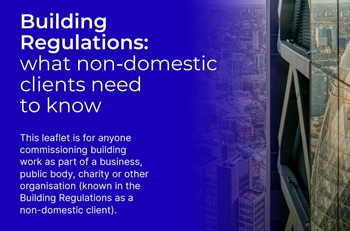
CIOB publishes free advice for non-domestic clients.

Building Safety Newsletter from MHCLG.

An extraordinary record of steel engineering worldwide.
Households living near new pylons to save on bills.

ECA warns growth must not outpace grid capacity or skills.
The role of the client and decision making

CIOB response to built environment professions call for evidence.
Construction's sustainability reporting revolution
Tracking upfront embodied carbon with digital tools.
ECA welcomes procurement reforms
Public spending must back British jobs and skills.
Campaigning for Edinburgh: the Cockburn Association 1875-2049

The role of the civic voice in protecting character. Book review.
CIOB photography competition is open for entries.
ECA Edmundson apprentice of the year award

Finalists announced.
Major new study exposes serious knowledge gaps.